The ultimate tool for personal style creation
My role
Product & UX/UI designer
Deliverables
App design & landing page
Project type
MVP for an early-stage product
Timeline
Jan 2024
Duration
4 Weeks

The Context
Clothing has become a key way for people to express their identity, whether through personal projects, small brands, or one-off designs.
Many turn to custom apparel to bring their ideas to life, but the path from concept to finished product is often unclear and fragmented.

The Problem
In practice, creating custom clothing is rarely straightforward. Access to local customization shops is limited, guidance is often missing, and online tools feel generic and disconnected from the final result.
This leaves users unsure of their choices and disconnected from a process that should feel creative and empowering.
Research & insight
Research revealed that people interested in custom clothing are not just looking for uniqueness, but for confidence in the final result.
Many online customization experiences feel like guesswork: sizing is inconsistent, previews are unreliable, and users are left unsure whether the garment will actually fit their body. This frustration is even more pronounced for people outside standard sizing, who often feel excluded or underserved by existing solutions.
What users needed was not more options, but clearer guidance, better representation, and reassurance throughout the customization process—so they could focus on expressing themselves, not worrying about fit.
Introducing Skalp
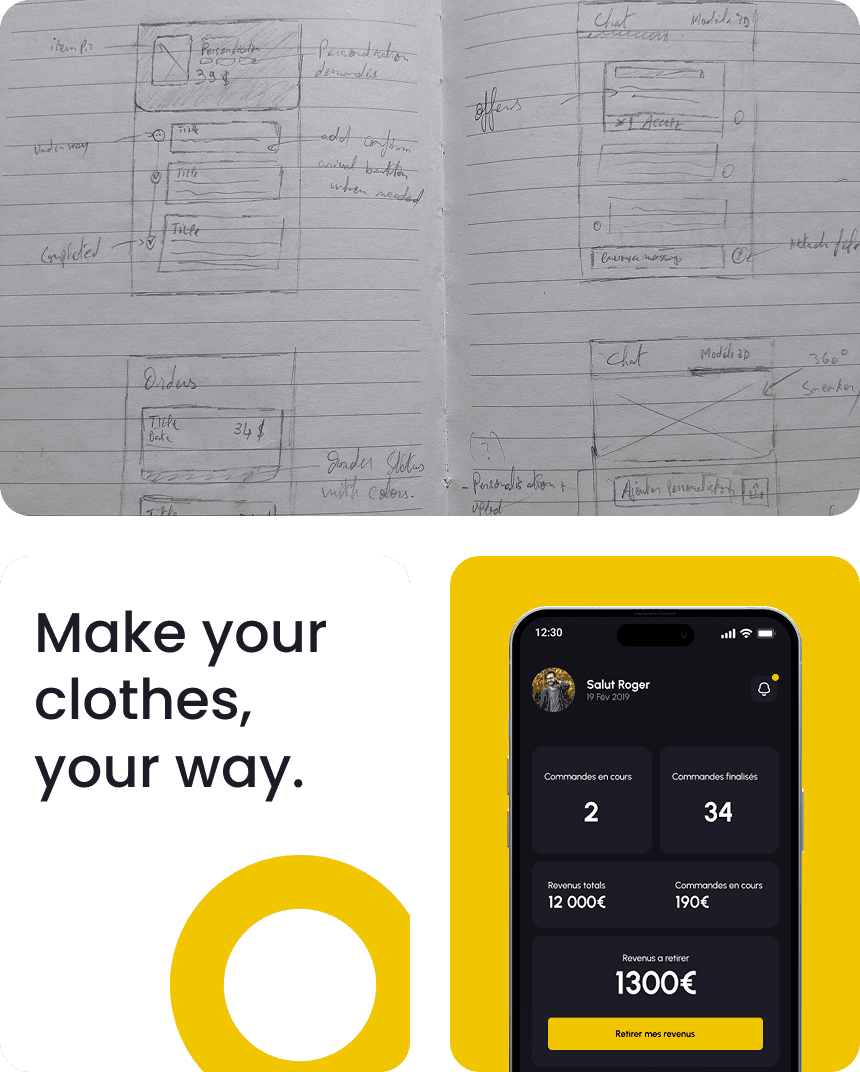
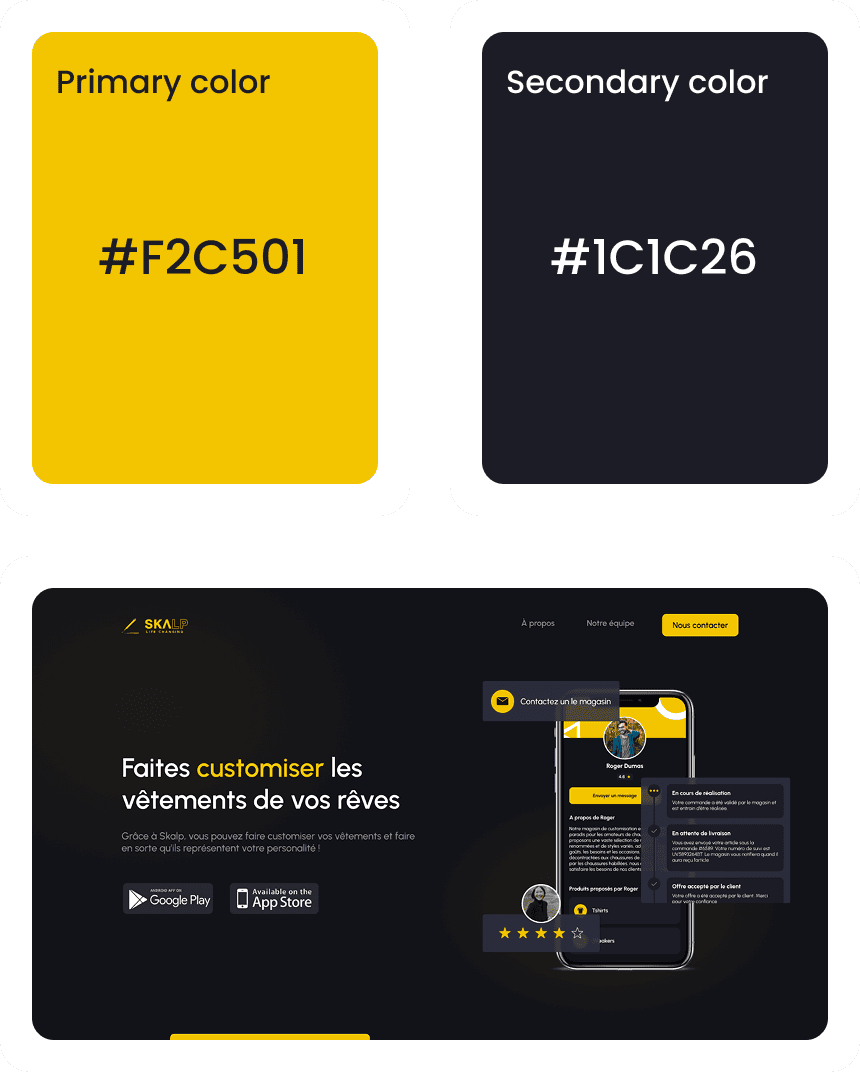
The research pointed to one clear design priority: reduce the guesswork. Skalp's answer was a 3D customization tool that lets users visualize every detail before committing, bridging the gap between what people imagine and what they're actually ordering. But the product needed to serve two sides at once: users who want creative freedom and confidence, and workshops that need to stay organised and communicate clearly. The design had to hold both together without friction.
Your style, fully realized
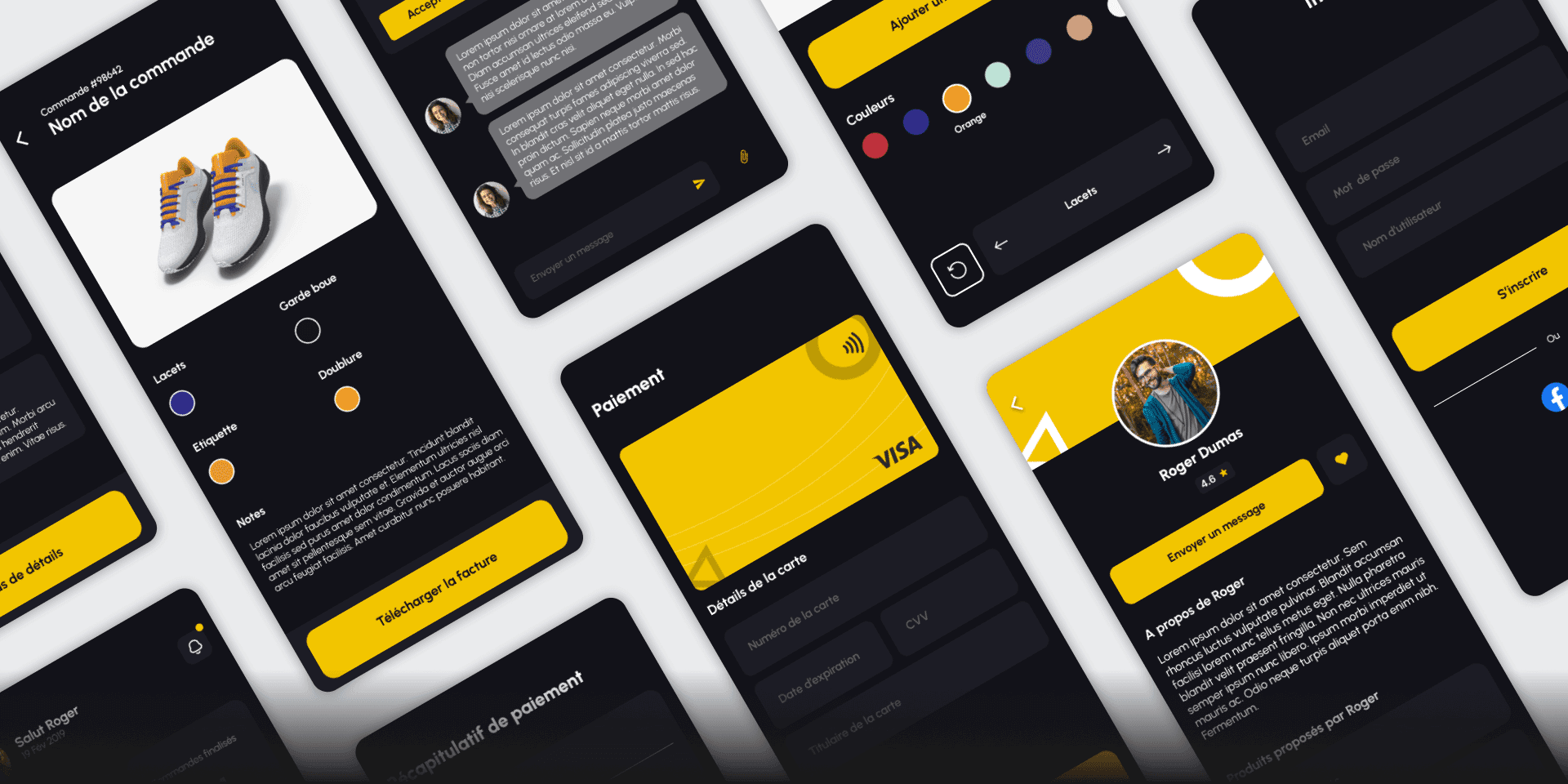
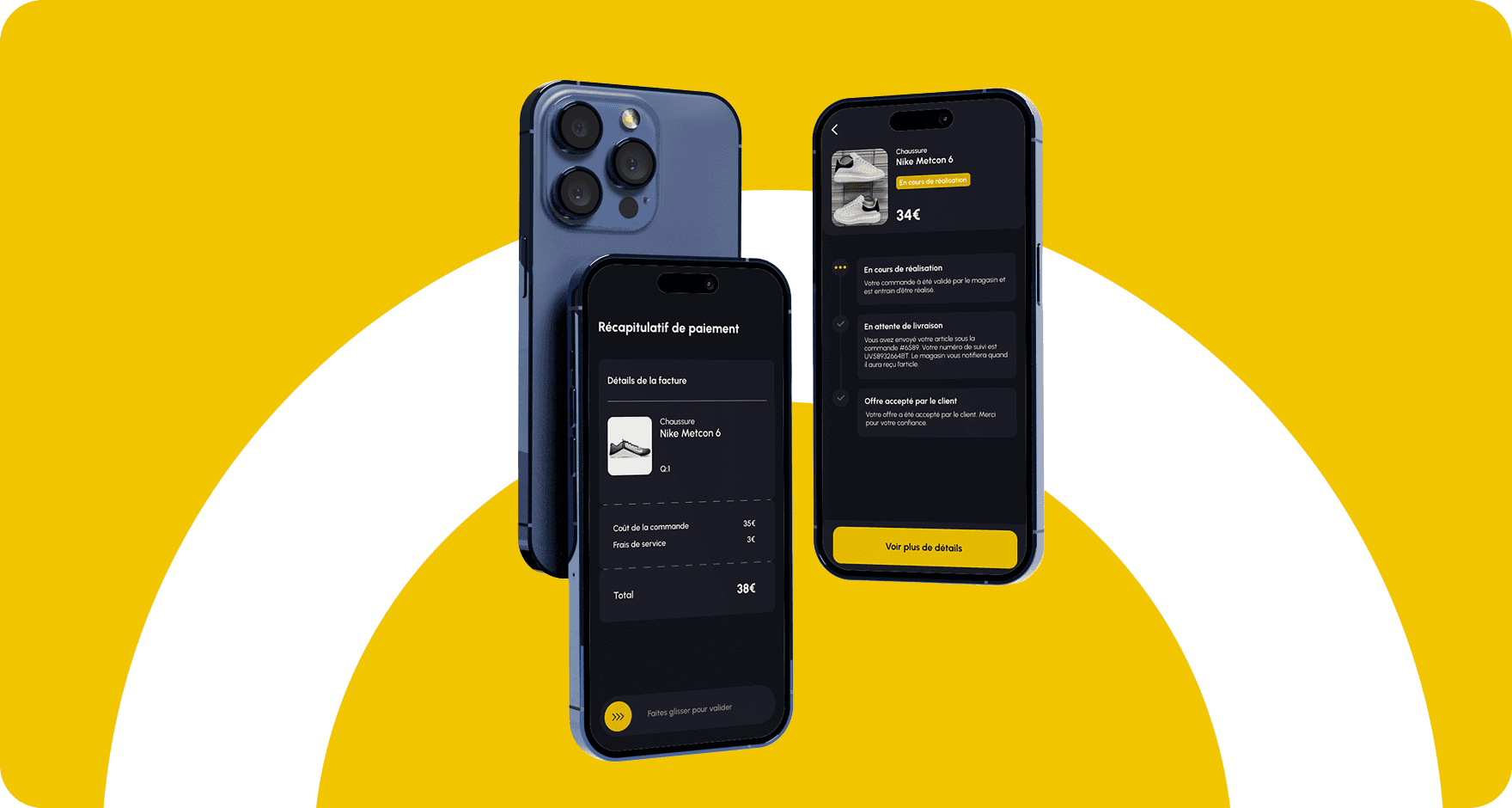
The final product emerged from multiple iterations and feedback loops, each one tightening the experience around that core tension: empowering the user without overwhelming the workshop. Every screen was designed to move both sides forward,keeping communication clear, expectations aligned, and the creative process as frictionless as possible.
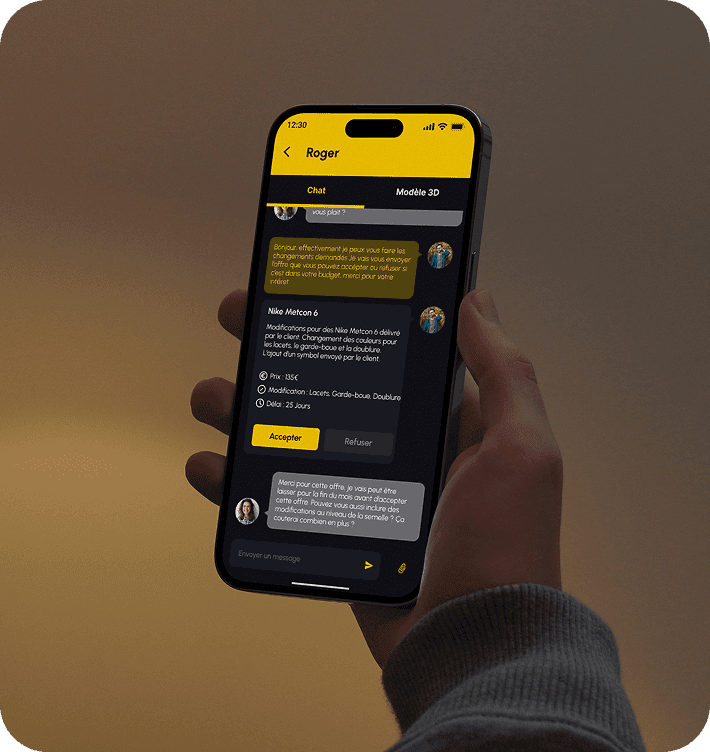
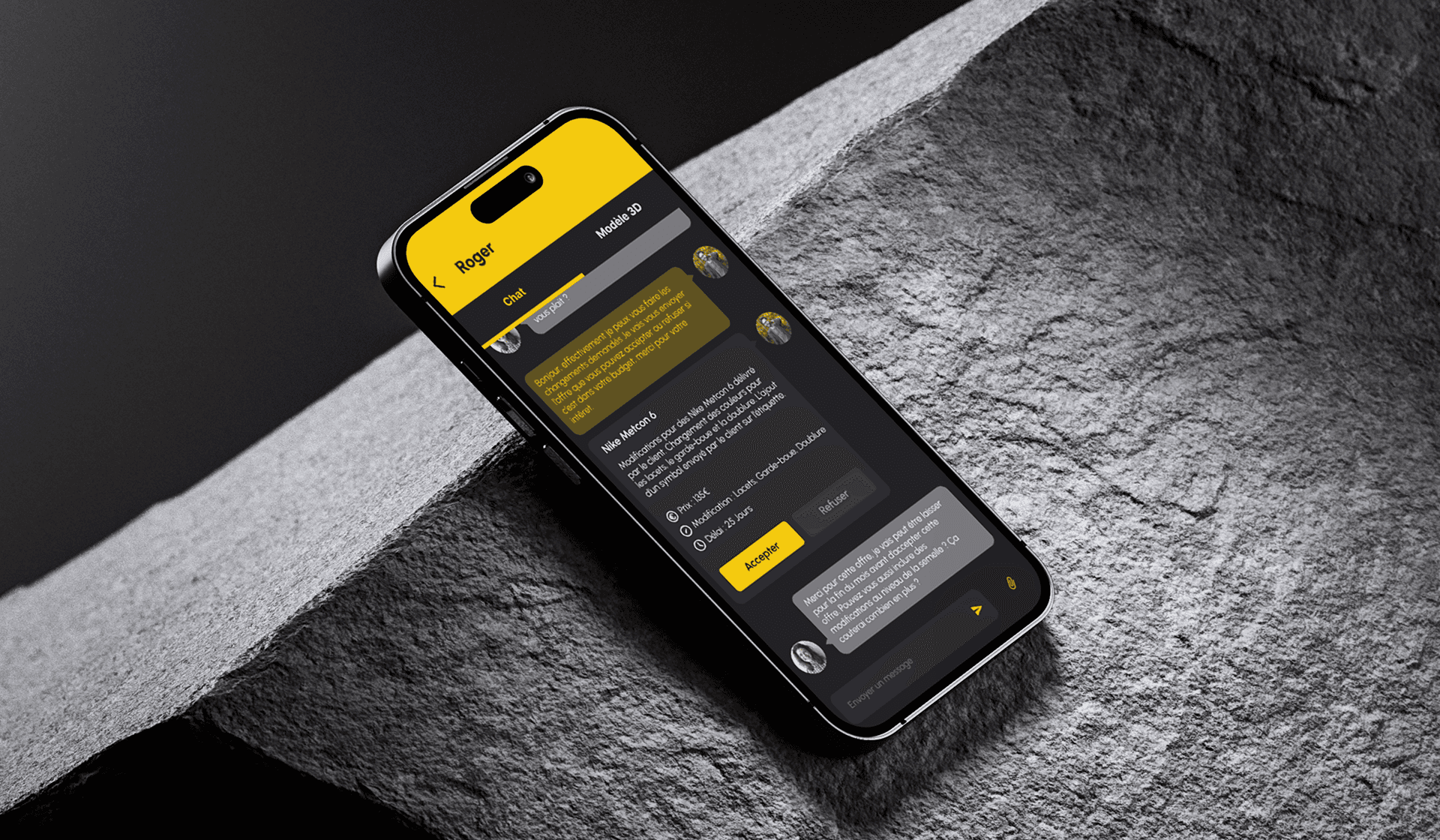
Direct messaging between users and workshops was a deliberate trust-building layer. Rather than submitting a request into a void, users can discuss details, ask questions, and refine their vision before anything is confirmed making the process feel collaborative rather than transactional.
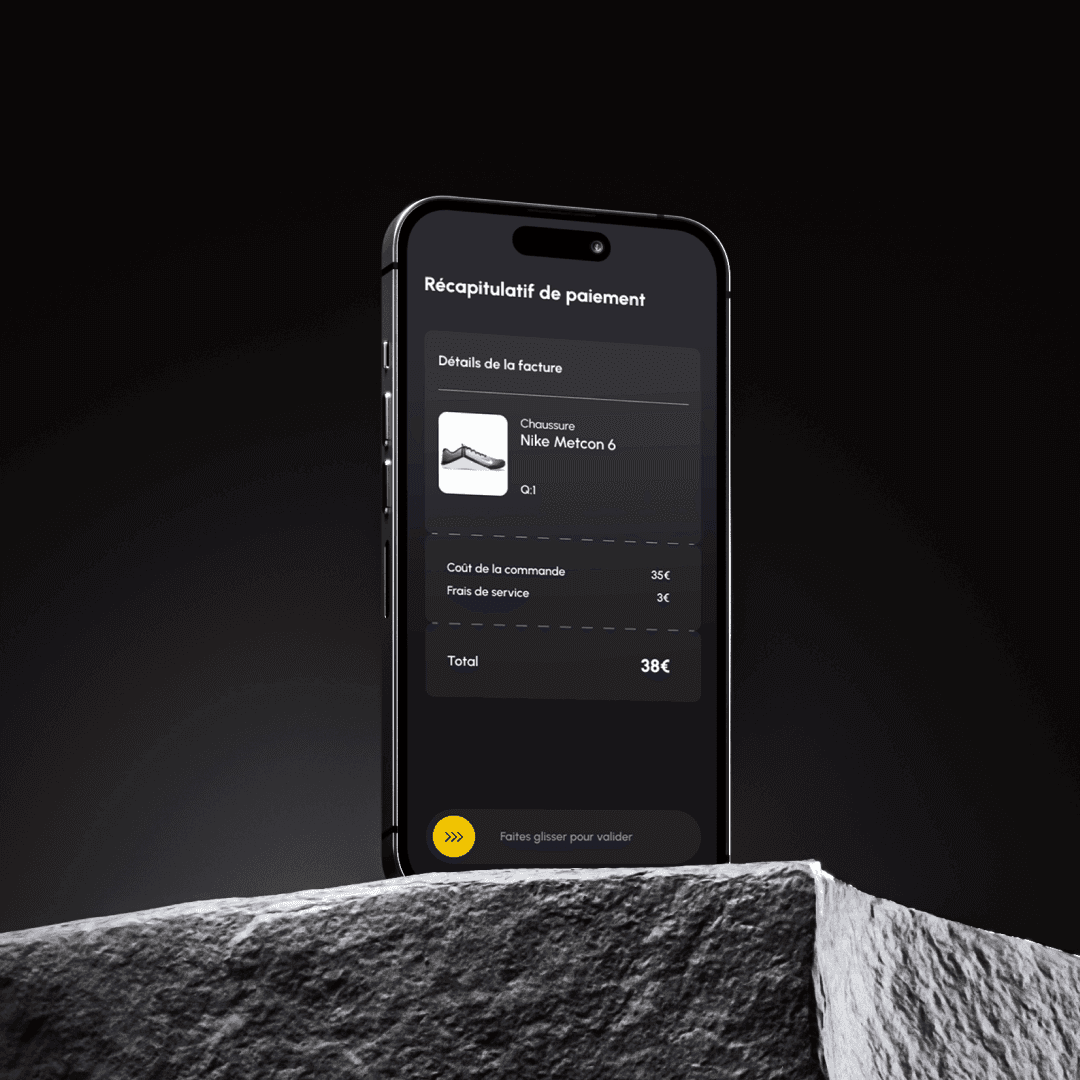
Payment only unlocks once both parties have agreed on the scope and price. That sequence was intentional, it removes pressure from the negotiation and ensures no one commits before they're ready, which is critical for a service where the result is personal and irreversible.
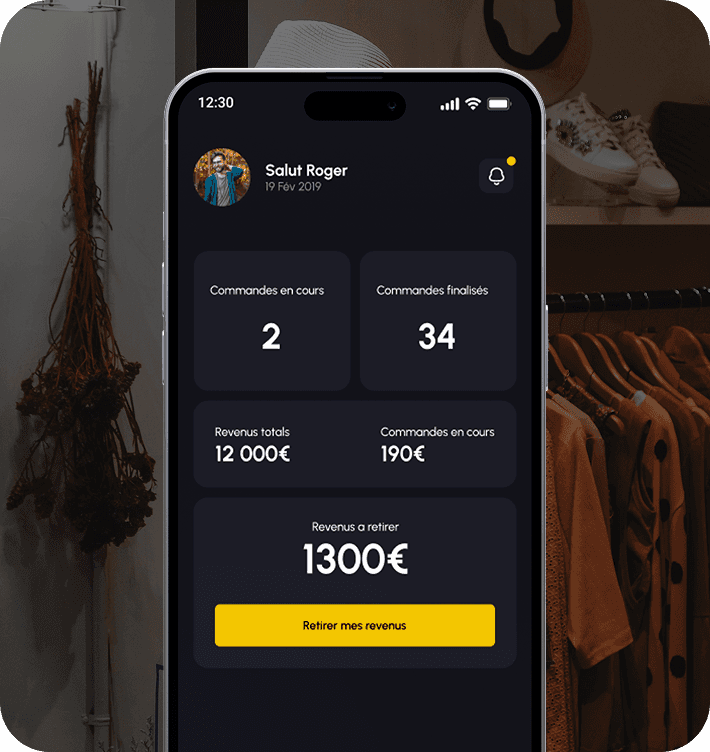
The workshop side of the product was just as considered as the user side. A clear order overview and revenue tracking means workshops can manage demand without needing external tools,keeping them invested in the platform and responsive to users.
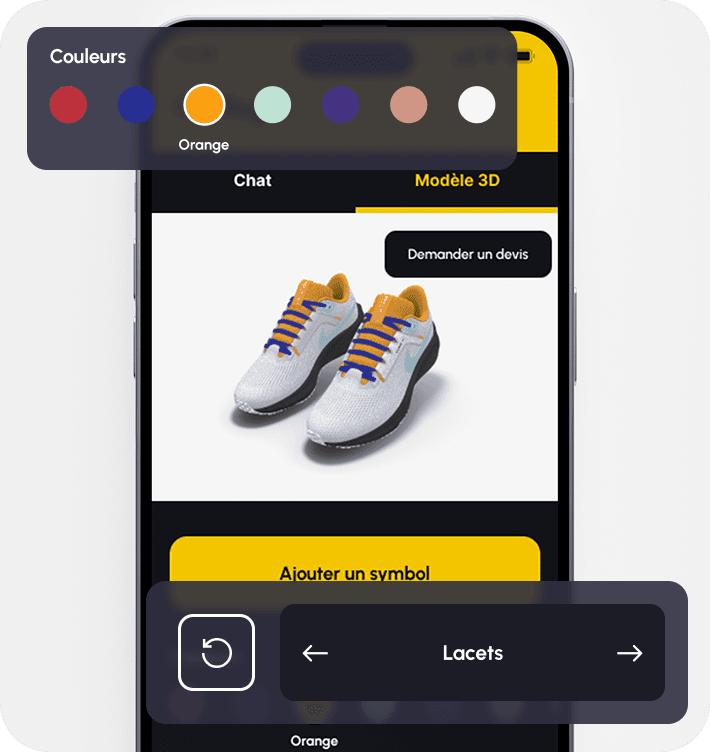
The 3D visualizer is where the research insight becomes a design decision. Users who couldn't trust static previews or vague size guides now have a real-time view of their changes before requesting a quote, replacing guesswork with confidence.
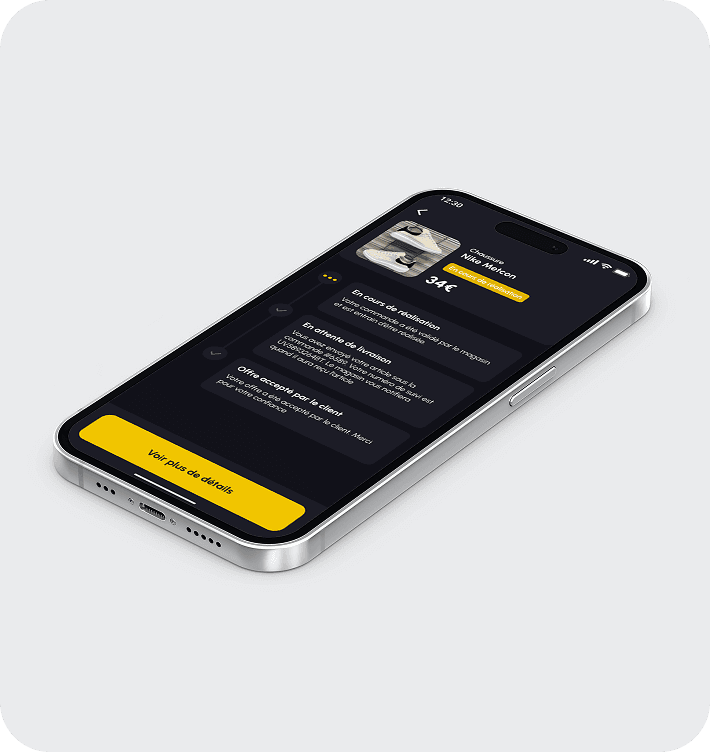
Once an order is placed, uncertainty is the enemy. The tracking view keeps users informed at every stage of the process, addressing the anxiety that often follows a custom order, especially one that involves a stranger's craftsmanship.