The Smarter Way to Ship in the French overseas territories
My role
Product & UX/UI designer
Deliverables
End-to-end SaaS product design
Project type
Peer-to-peer logistics platform
Timeline
Feb - March 2025
Duration
1 Month

The Context
Shipping items to and from French overseas territories is often constrained by distance, cost, and rigid logistics systems. For individuals and small businesses, sending everyday goods can feel slow and difficult to plan around.
Despite frequent travel between these regions, logistics remain disconnected from how people actually move and exchange items.

The Problem
Residents and small businesses face high shipping costs and long delivery times, while travelers routinely fly with unused luggage space.
Existing shipping solutions fail to connect these two realities in a way that feels simple, secure, and trustworthy for everyday use.
Research & insight
Through online research and analysis of existing shipping solutions, I identified recurring frustrations among residents of French overseas territories. High costs, long delivery times, and unreliable tracking make ordering items from abroad stressful and uncertain.
Beyond cost and speed, a deeper need emerged: users want visibility, trust, and flexibility. They want to know who is carrying their package, when it will arrive, and to feel confident that issues can be resolved without navigating opaque support systems.
These insights positioned Yumber not as a traditional logistics service, but as a people-driven platform, designed to connect everyday travelers and senders through a system that feels more transparent, human, and adapted to overseas realities.

Wireframes and moodboards
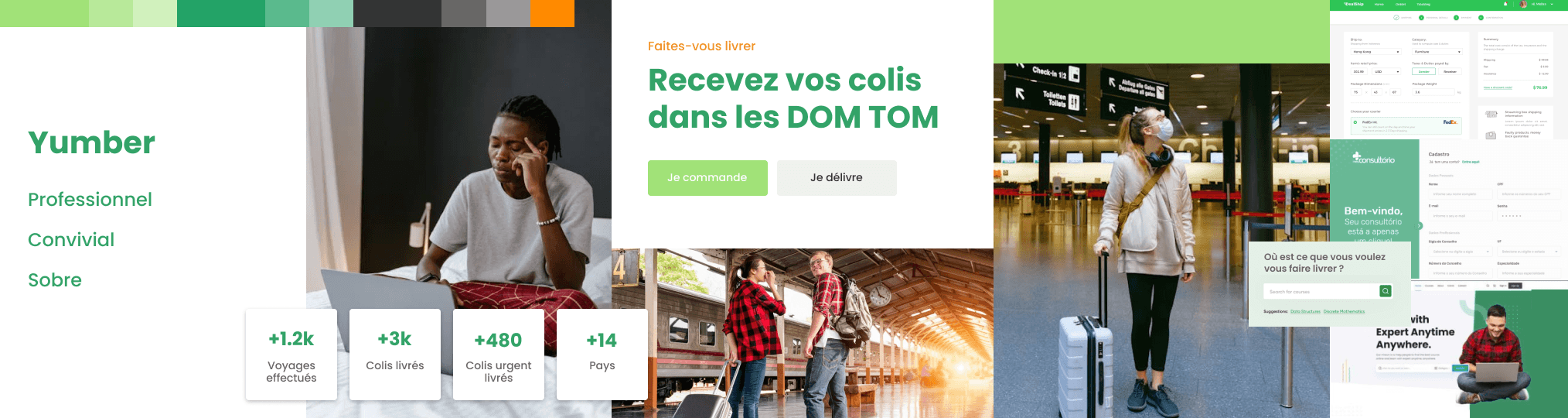
Before any design decisions were made, I worked with the client to establish both the visual tone and the product structure. Two moodboard directions were explored: one warm and tropical, drawing from the culture and colour of the French overseas islands, and one cleaner and more corporate. The goal was to find a tone that could feel friendly and community-driven without sacrificing the credibility users need to trust a stranger with their package.
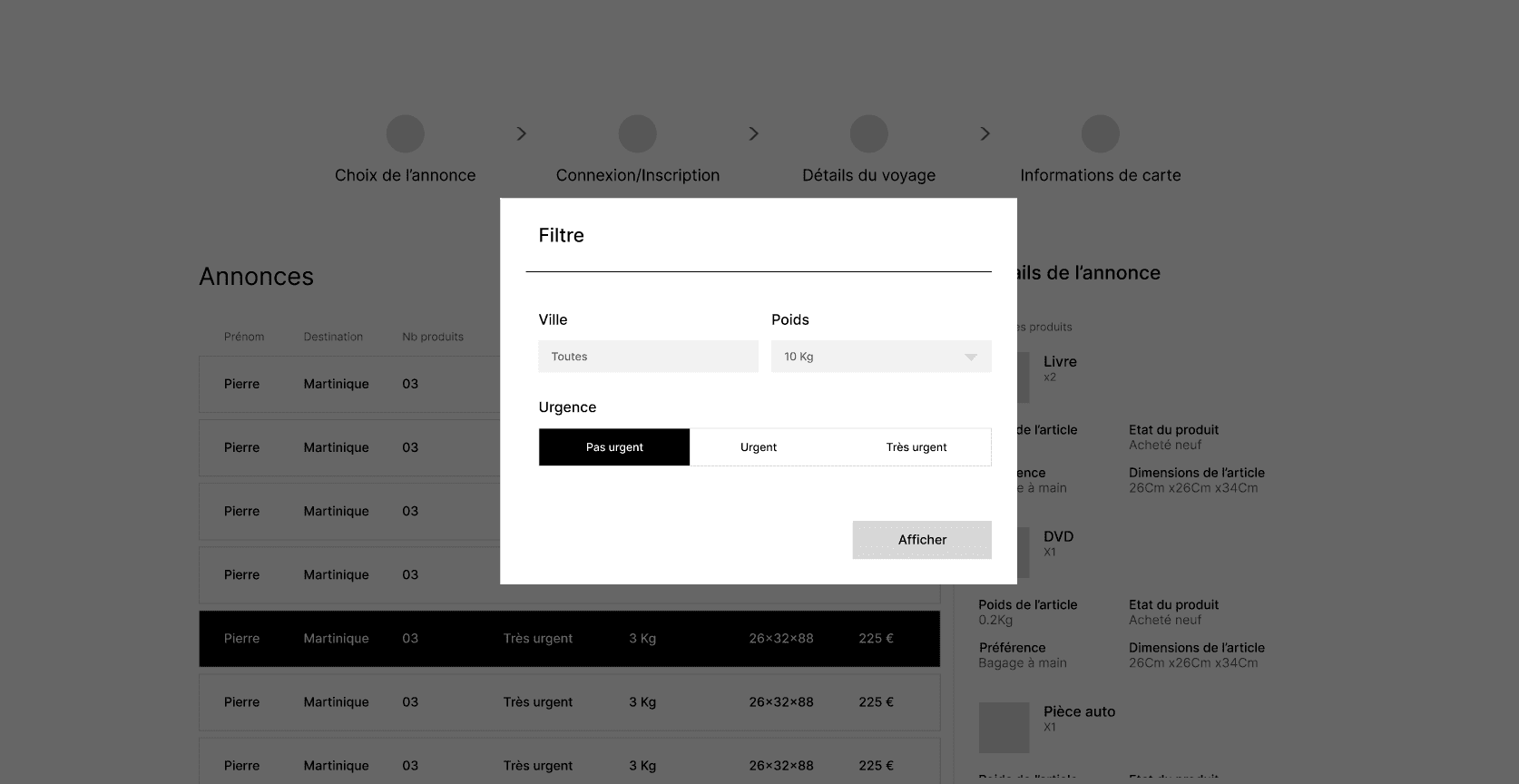
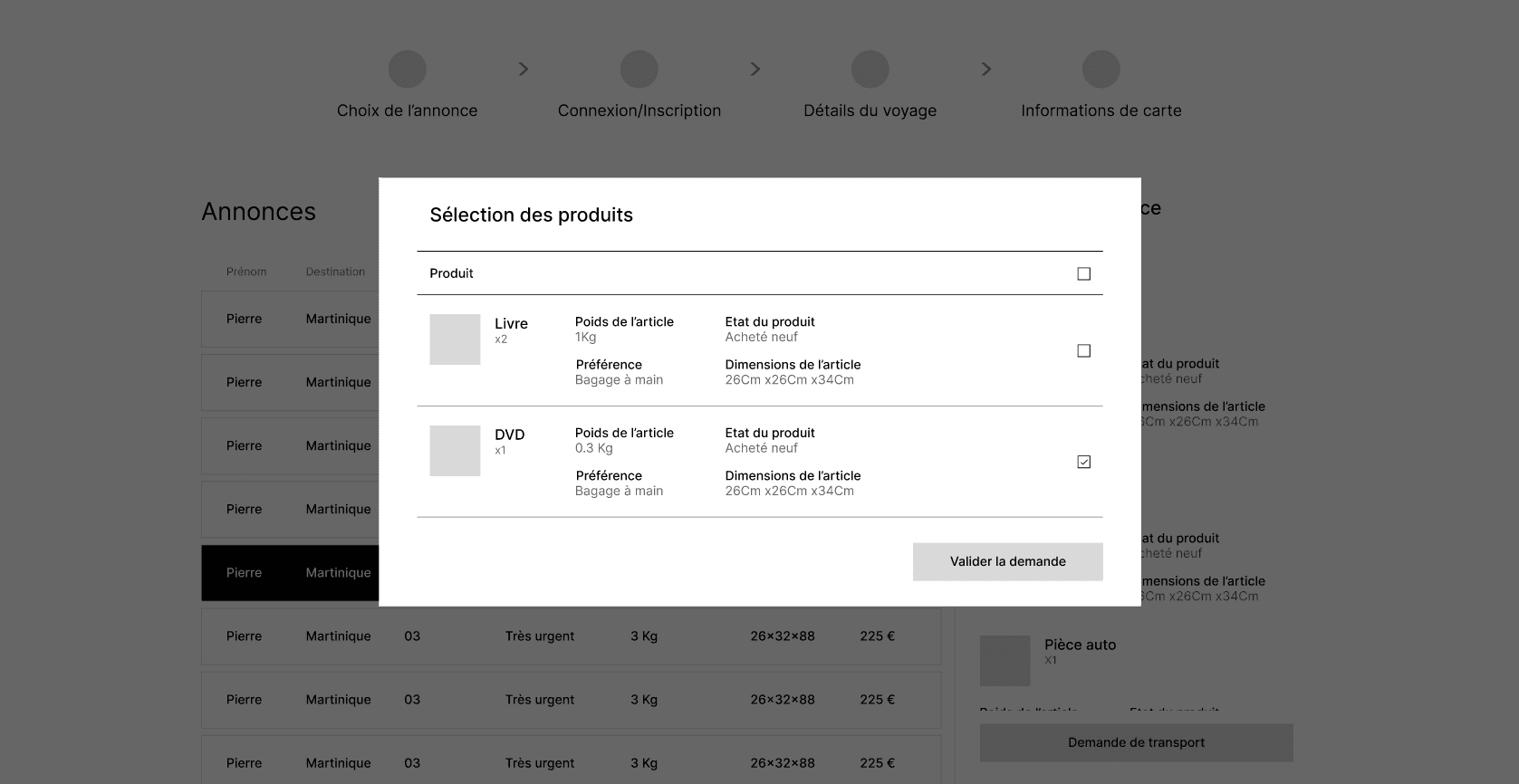
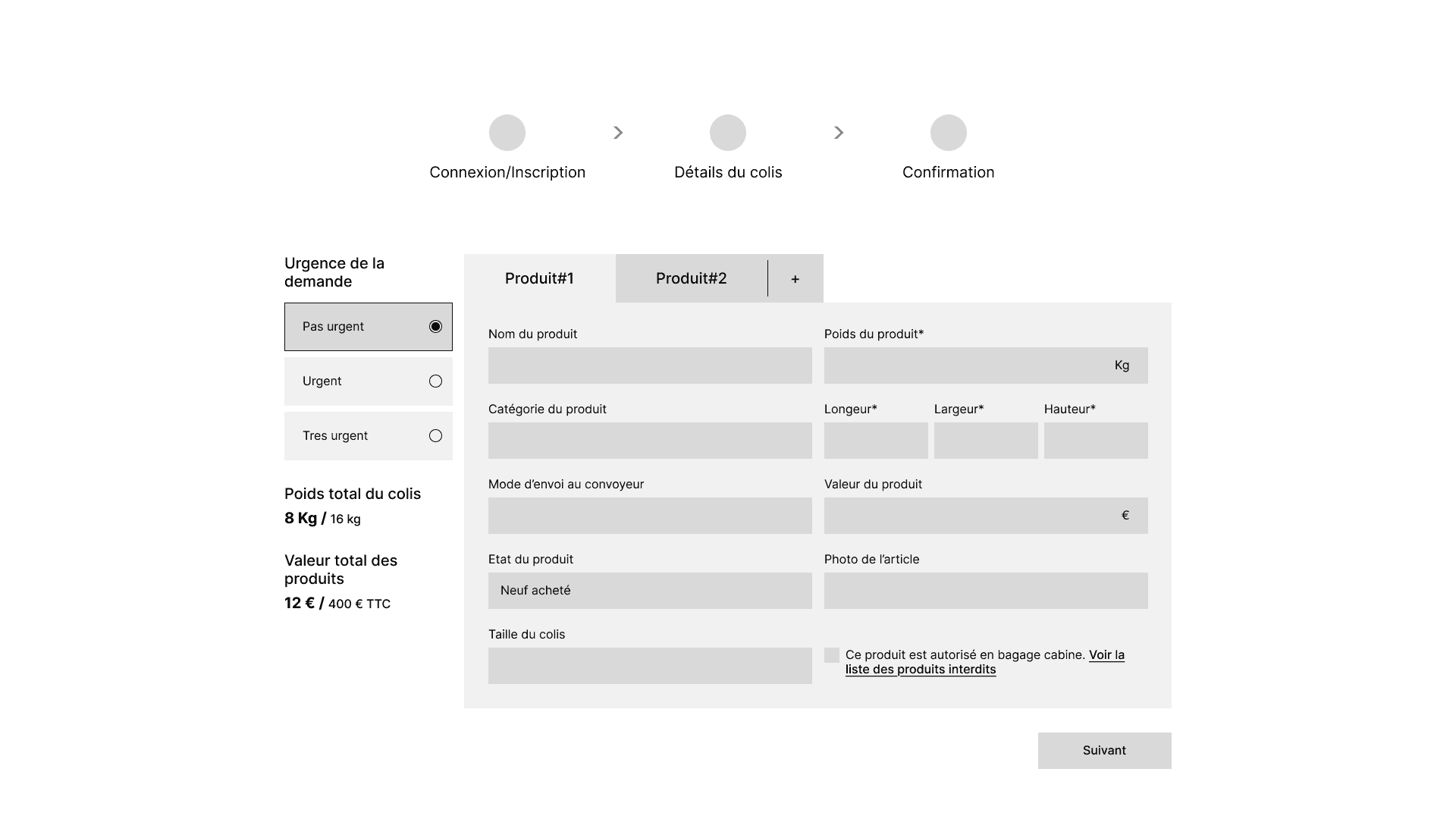
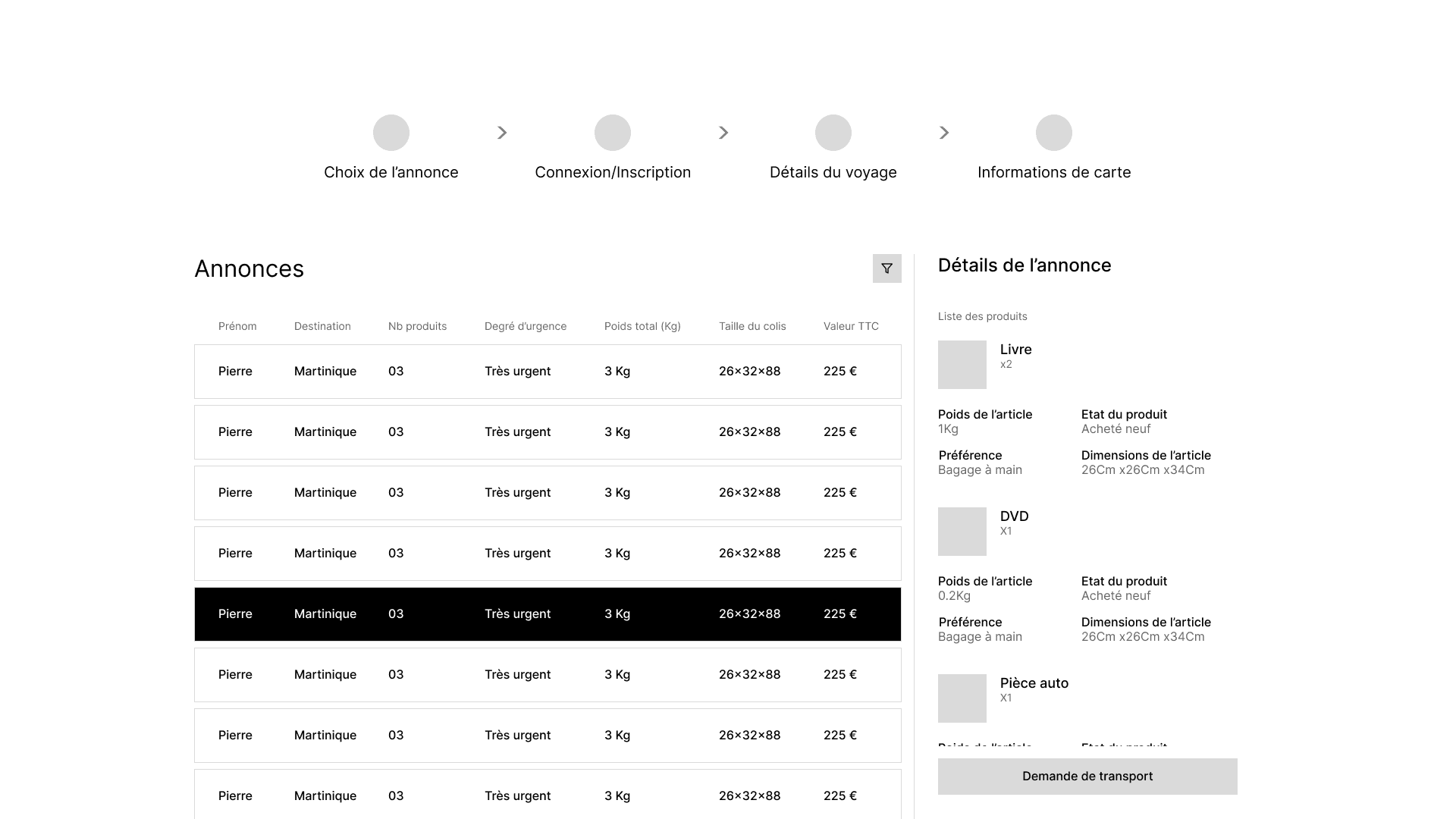
With direction aligned, wireframes came next, not as a formality, but as a way to pressure-test the user flows and confirm the structure with the client before any visual investment. For a platform serving two very different users (senders and travelers), getting the architecture right early was critical.
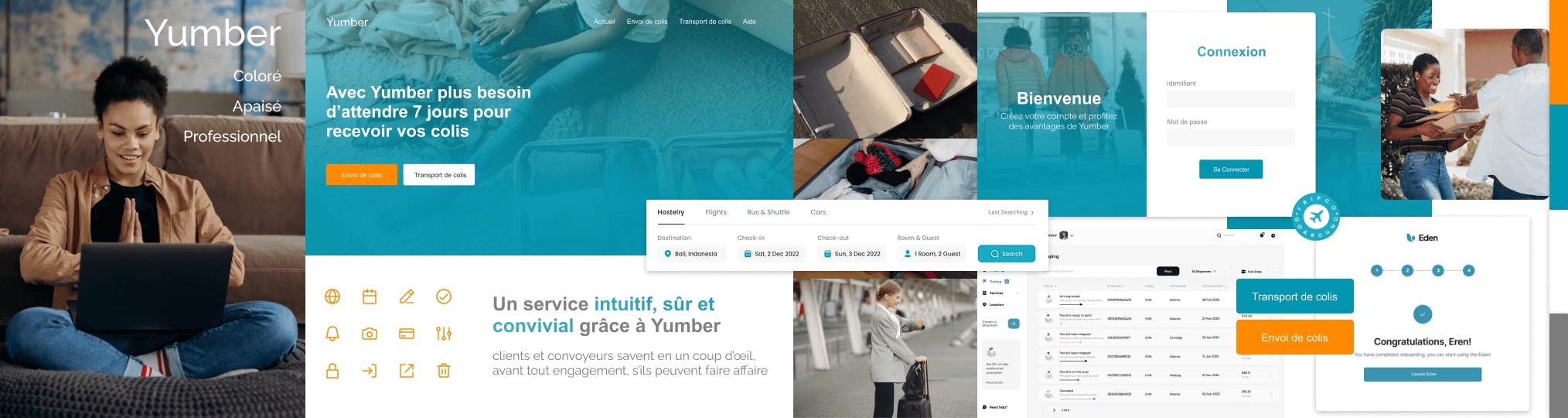
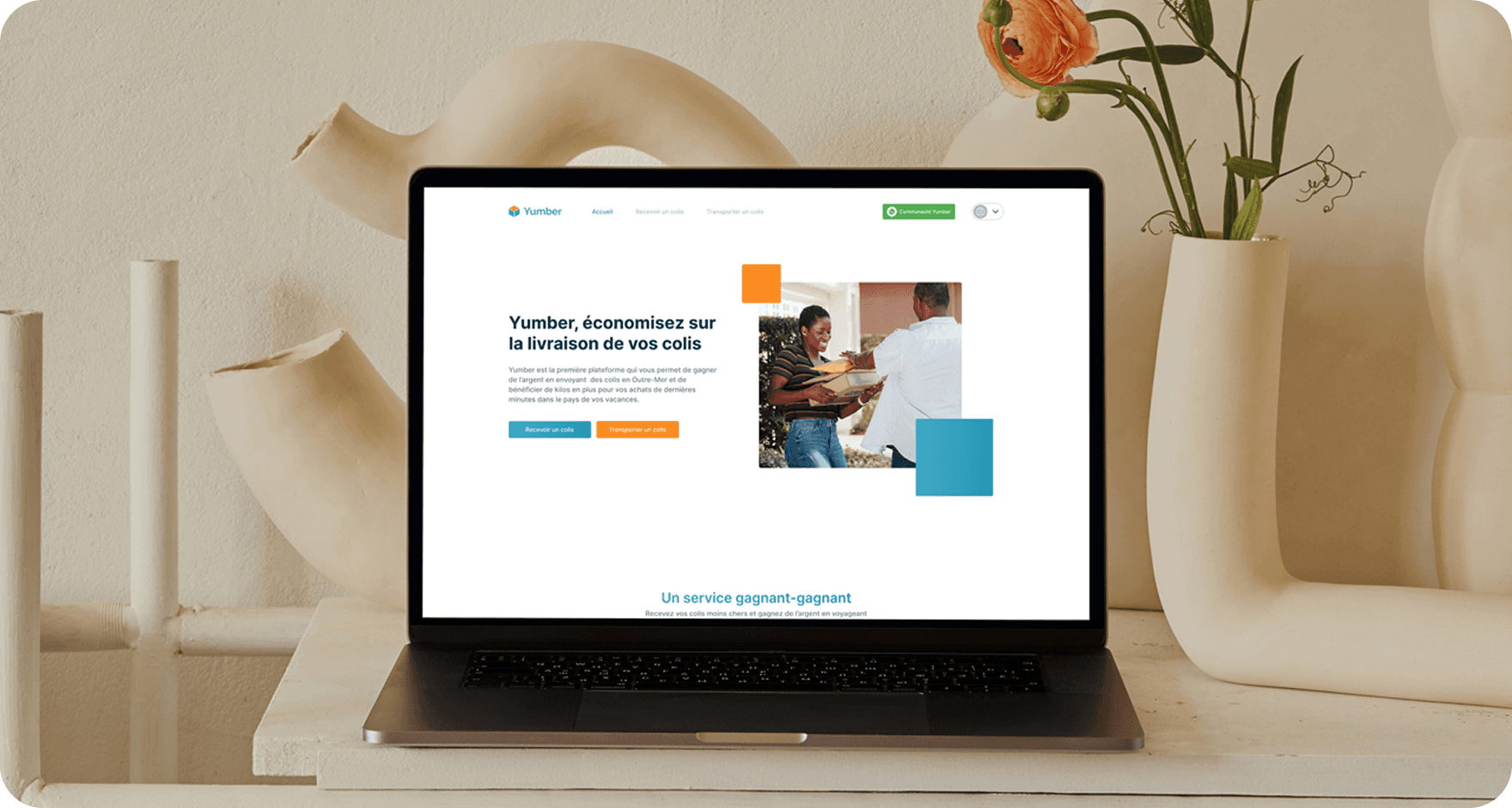
Yumber: Peer-to-Peer Parcel Transport for the French overseas territories
Yumber is a web platform that helps people in the French overseas territories send and receive packages more easily and affordably. It connects travelers who have free space in their luggage with users who need to ship items — allowing them to "rent" that space for a small fee.
This peer-to-peer system helps cut down shipping costs, shortens delivery times, and gives travelers a way to earn money on their trips, all while creating a more human, flexible alternative to traditional postal services.
From Strangers to Shipping Partners
The central design challenge with a peer-to-peer platform isn't functionality, it's trust. Two strangers need to feel confident enough to hand over a package and commit to carrying it across borders. Every screen that followed was built with that in mind: reduce uncertainty, surface the right information at the right moment, and make the whole exchange feel human rather than transactional.
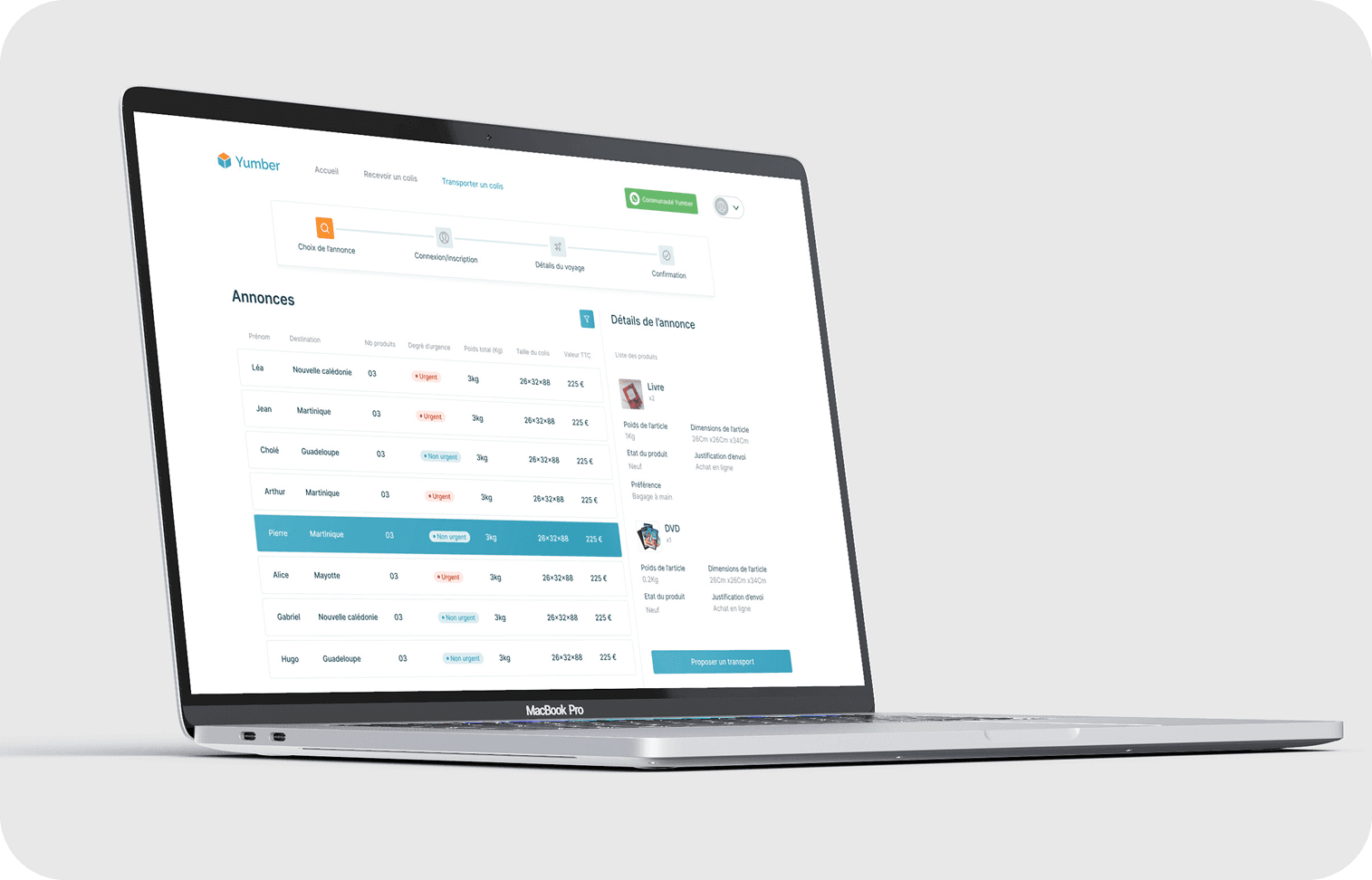
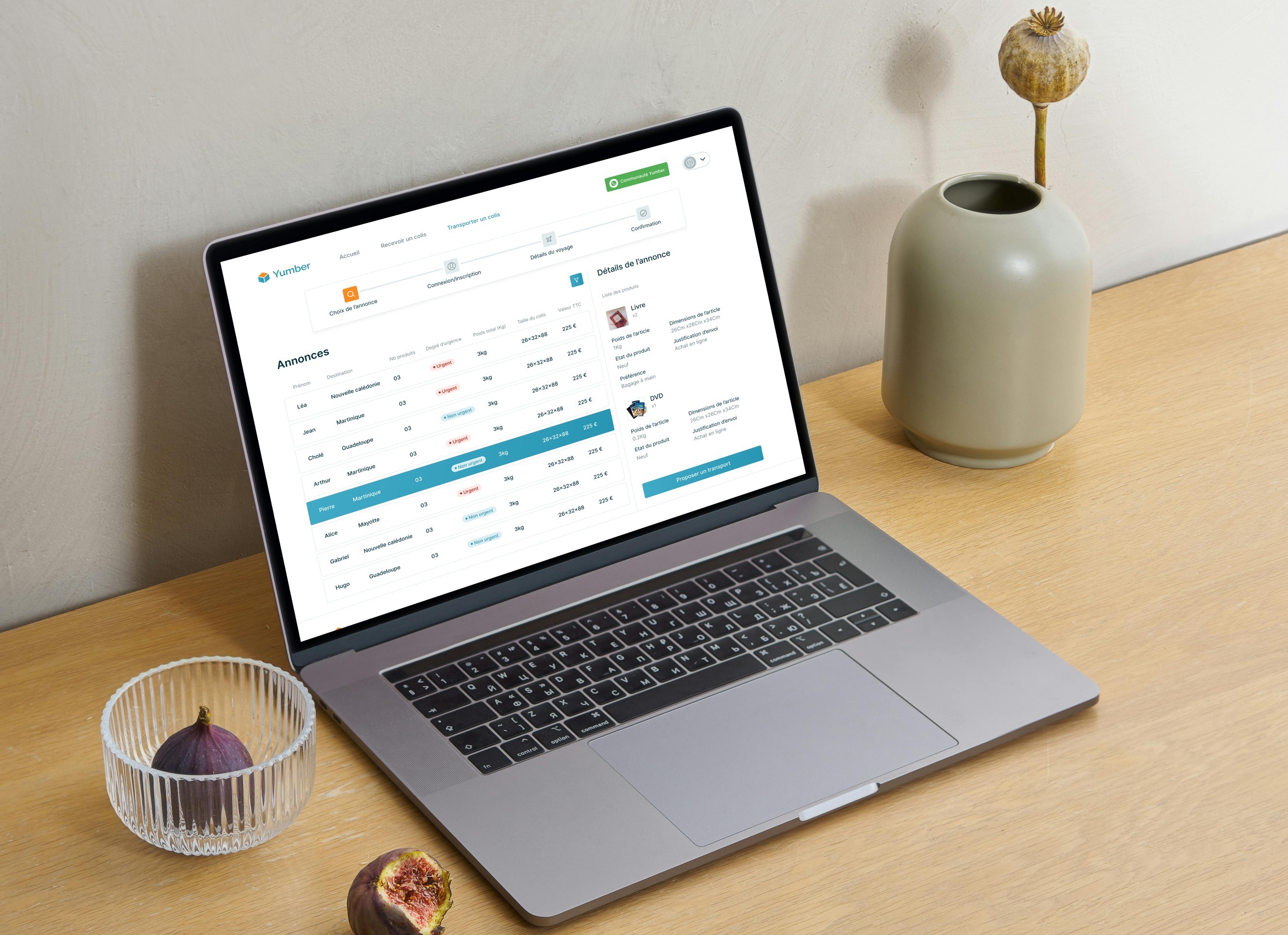
The traveler experience starts with clarity. Requests are surfaced with size, weight, and value upfront, not buried in a detail page, so travelers can assess fit in seconds and move forward with confidence rather than hesitation.
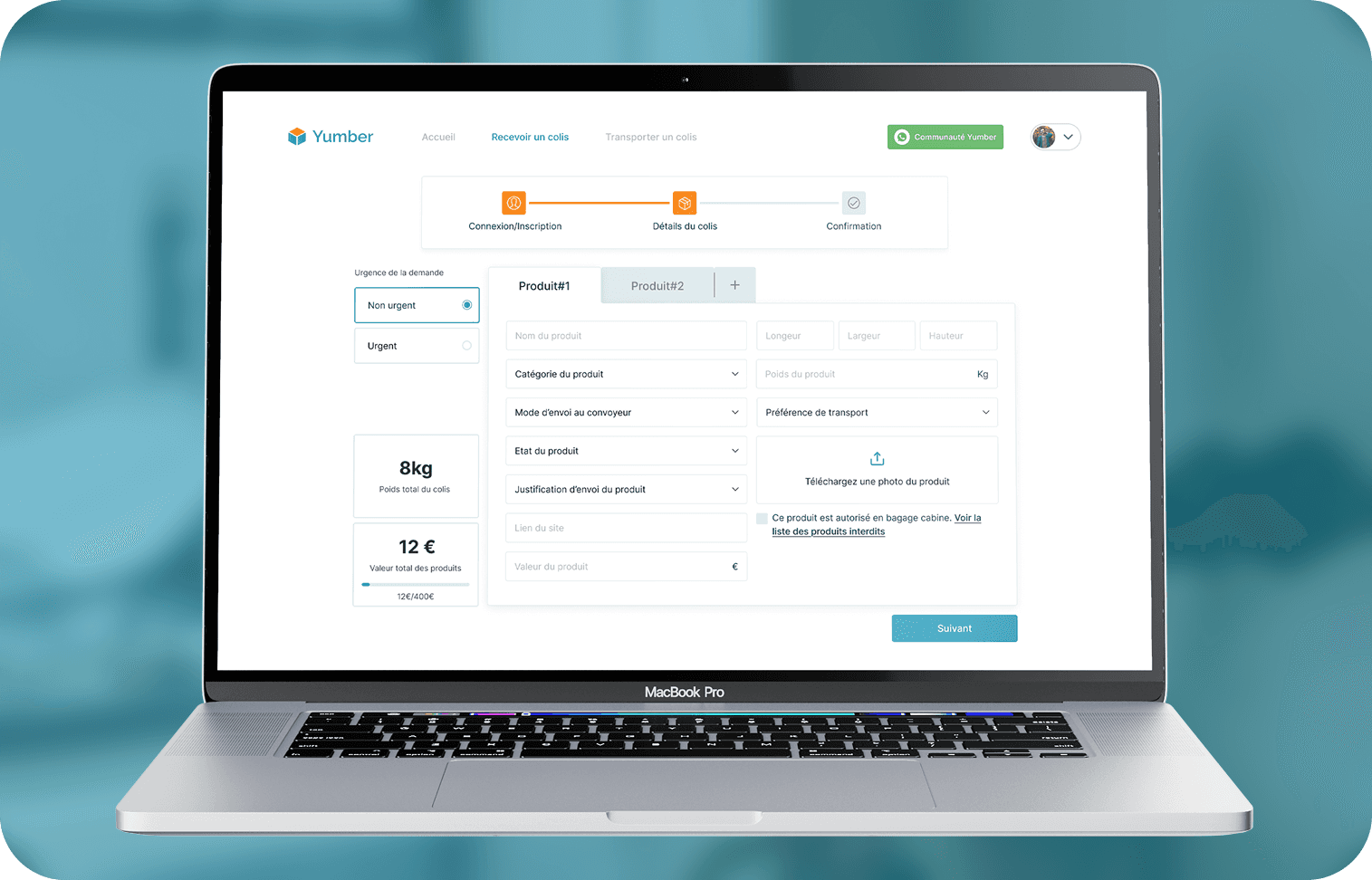
For senders, the request form was designed to set expectations on both sides. By being specific about what's being shipped, senders naturally build trust before any match is made, giving travelers the full picture they need to say yes.
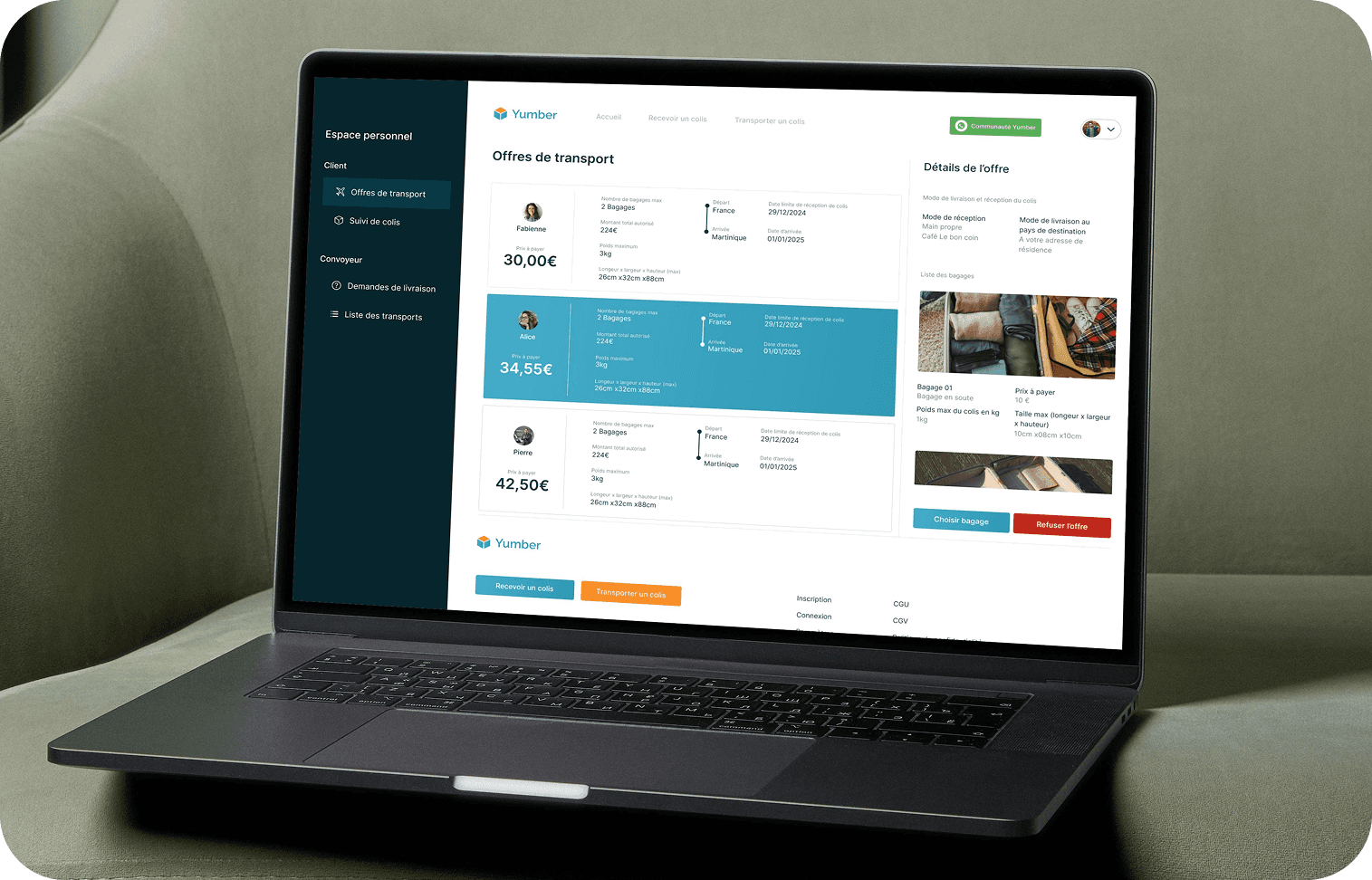
The dashboard brings both sides of the match into one view, letting users assess compatibility on their own terms. The goal was to make the process feel like a considered choice rather than a blind transaction.
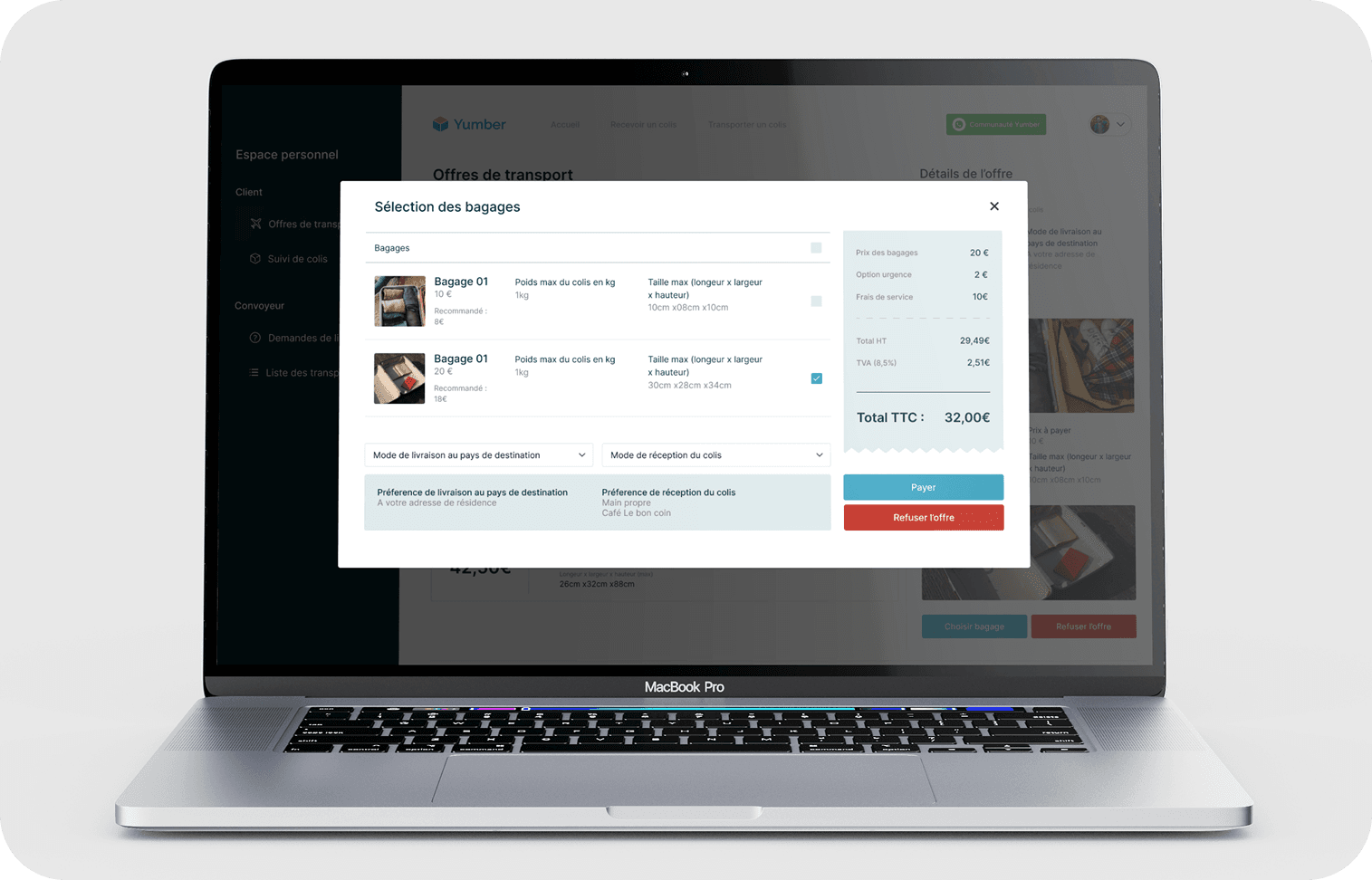
The final step is where trust is most fragile. Fees are broken down clearly and nothing is hidden, because ambiguity at checkout is where peer-to-peer platforms lose people. A transparent summary before payment was a deliberate decision to protect that final moment of commitment.